Our campaigns#TimeIsMuscle
Every day matters because every day without treatment means more muscle loss. Our Time is Muscle campaign is running to make sure people with Duchenne can access a new treatment called Givinostat as soon as possible.
.jpeg)
.webp)
About the campaign
We started our Time is Muscle campaign in late 2024 to make sure people with Duchenne could gain timely access a new treatment, givinostat.
Givinostat is the first treatment shown to slow down the progression of Duchenne in clinical trials and was made available to patients through a free of charge scheme, known as an ‘Early Access Programme (EAP)’ in October 2024. It was subsequently approved by the UK medicines regulator (MHRA) at the end of 2024.
When we became aware that families were struggling to access it, we mobilised our community to advocate for access to crucial treatments. We held two drop-in events in Parliament, met with more than 35 MPs and peers, and successfully influenced 20 NHS Trusts on access to givinostat.
Campaign timeline
.jpg)
January 2025
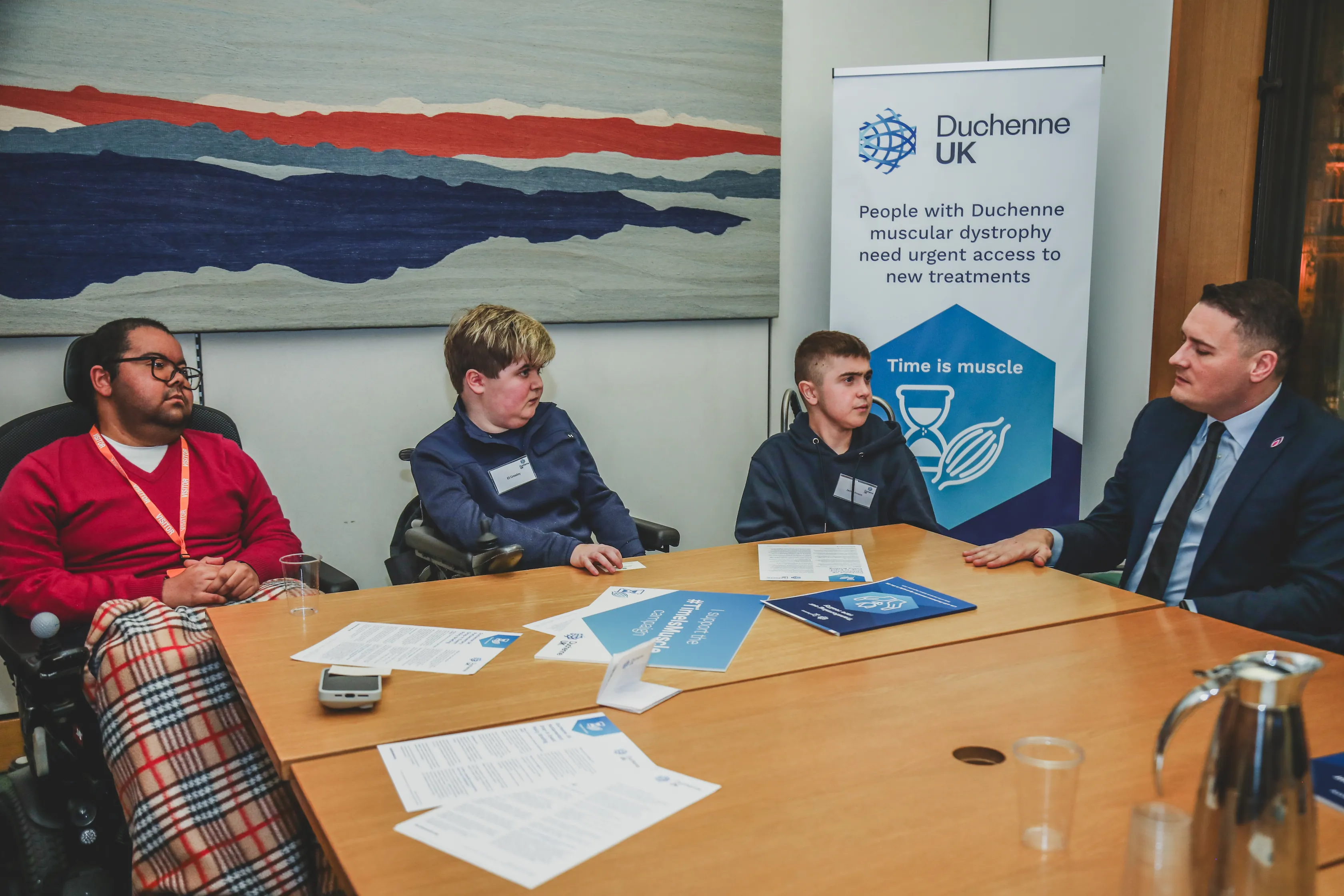
In January 2025, we united our patient community and brought families living with Duchenne to the heart of Parliament, giving them a powerful voice in front of their MPs. Parents shared their stories and the urgency of access to treatment, inspiring support from more than 35 MPs, including the Secretary of State for Health and Social Care, Rt Hon. Wes Streeting MP, who pledged to investigate the barriers standing in the way.
March
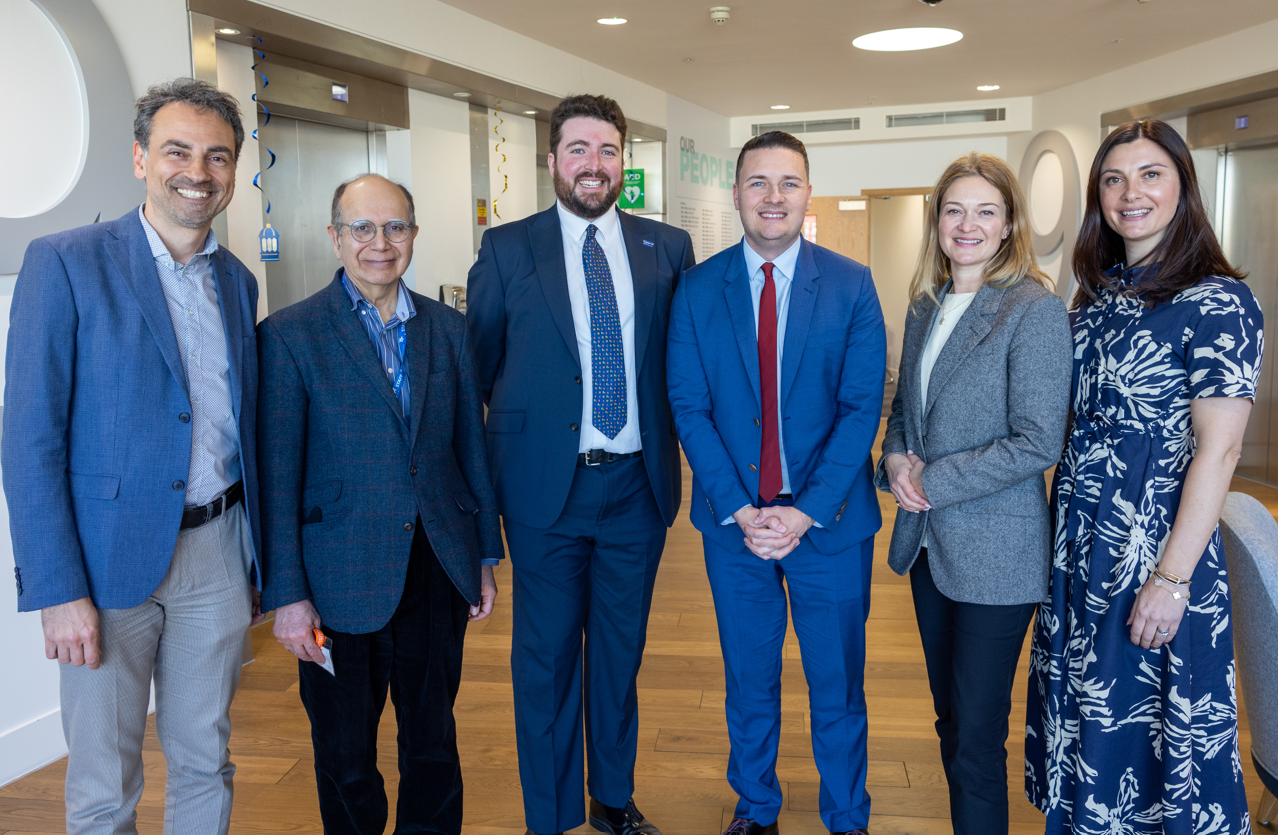
In March, we had a follow up meeting with Rt Hon Wes Streeting MP, here we learned the stark reality: decisions to join EAPs rest with each individual NHS Trust, leaving families facing uncertainty and delays. This pivotal moment strengthened our resolve and laid the foundation for the breakthroughs that followed later in the year.

March
A historic milestone later in March when Leicester Royal Infirmary became the first site to dose a patient with givinostat outside of a clinical trial, a landmark day proving the EAP could be delivered. From that moment, our team worked tirelessly, travelling across England, Northern Ireland, Scotland, and Wales to meet NHS Trust leaders, clinicians, MPs, and government representatives, while supporting families campaigning for access.
April
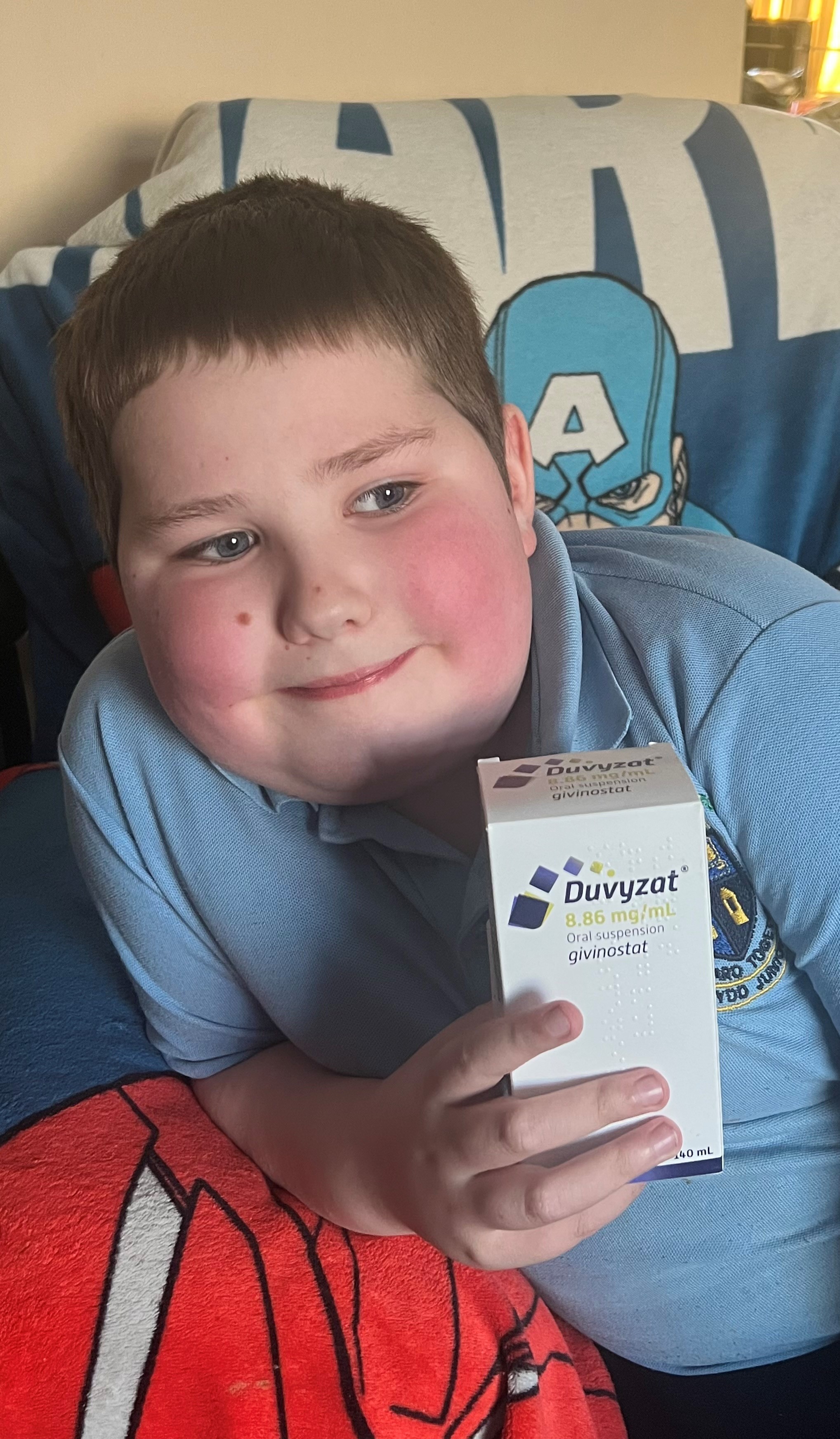
In April, givinostat was rolled out through the EAP across South Wales.
May
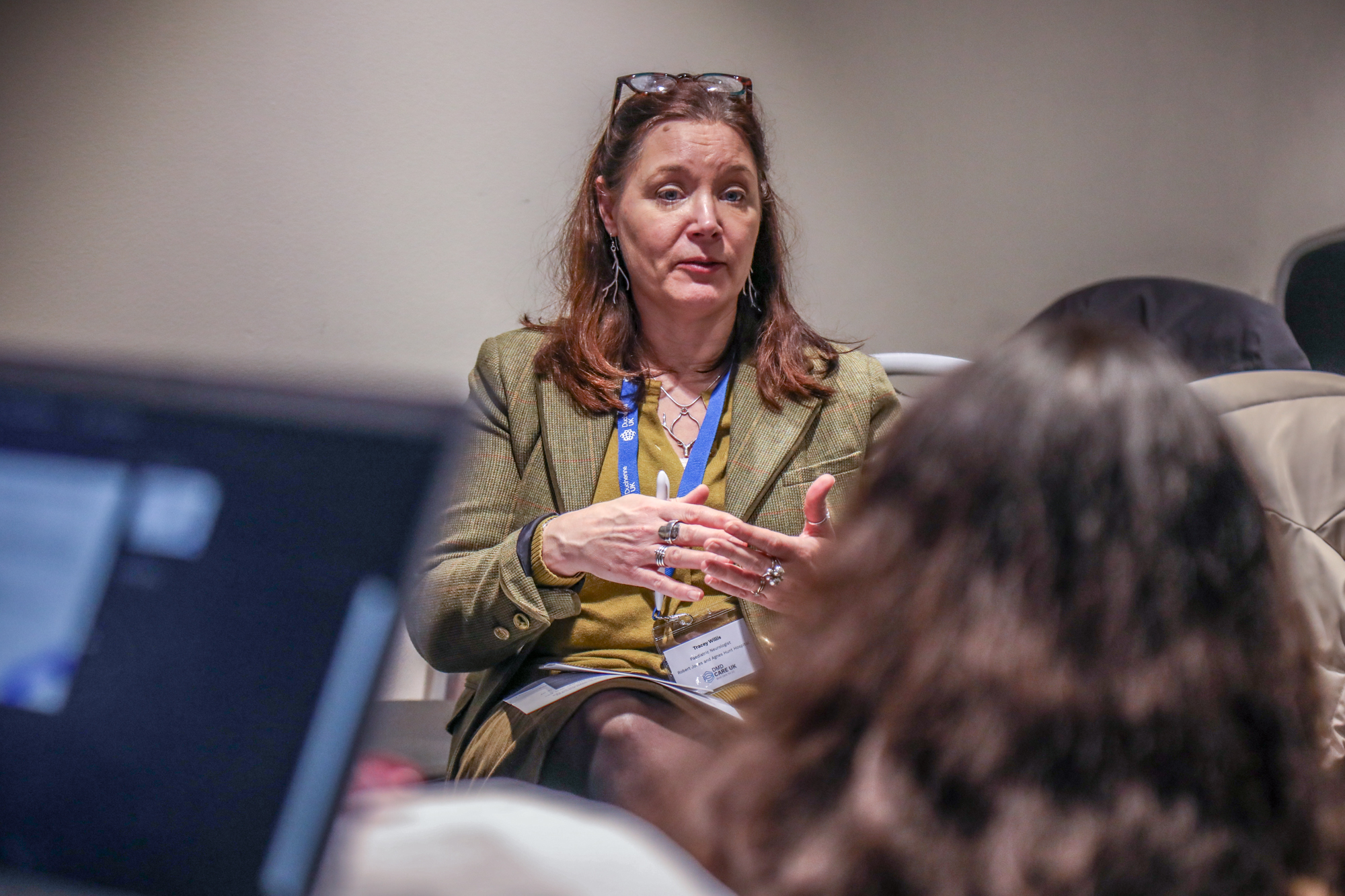
In May, givinostat was made available to patients under the care of the Robert Jones and Agnes Hunt Orthopaedic Hospital in Oswestry.

May
In Scotland, families affected by Duchenne worked tirelessly to secure access to givinostat. Their efforts include submitting evidence to health authorities, raising public awareness, and calling on the Scottish Medicines Consortium to recognise the potential of givinostat in slowing disease progression. This grassroots movement reflects the determination of families to ensure that children and young people living with Duchenne in Scotland are not left behind in accessing innovative treatments.
May
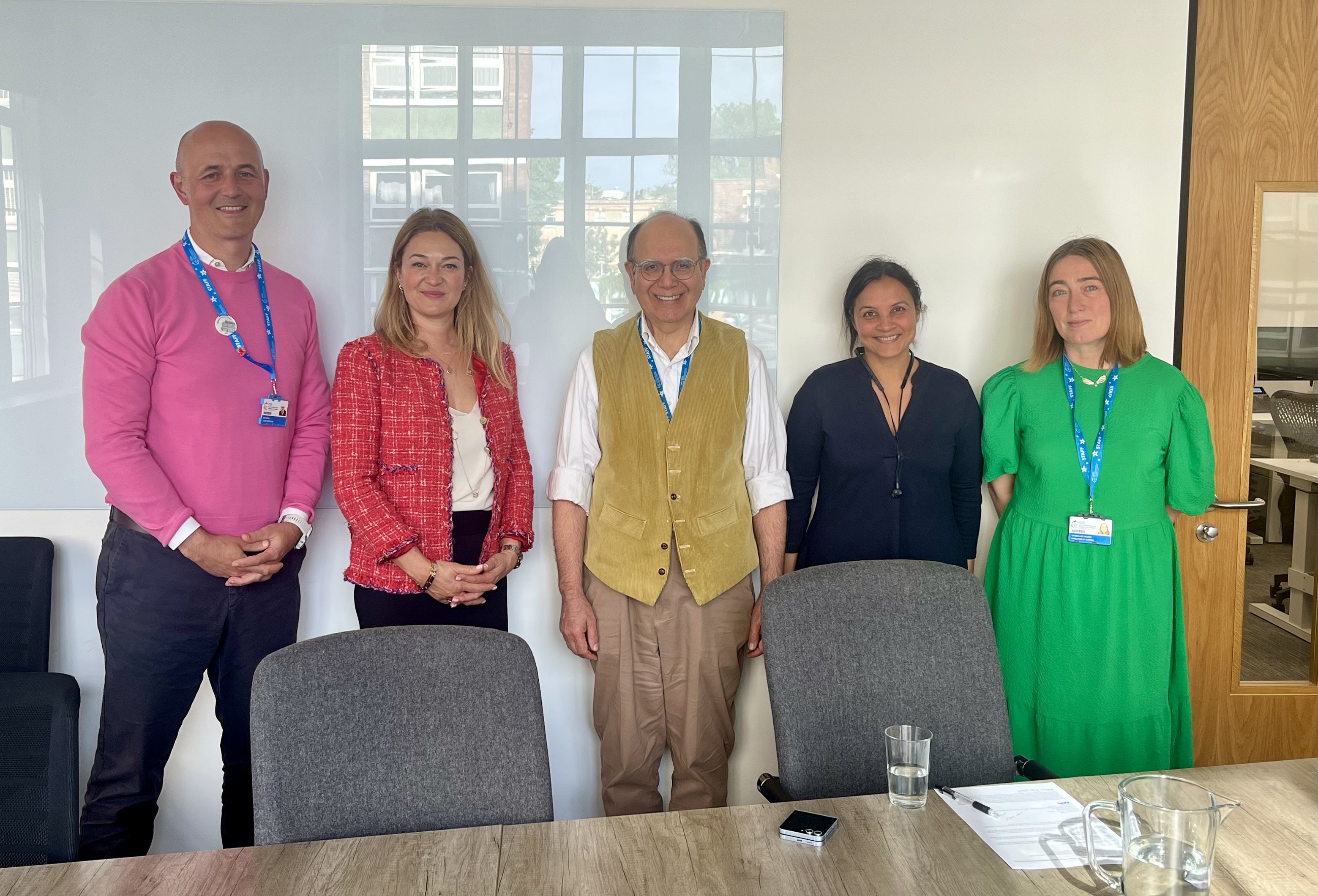
A turning point came during in May at a meeting at Great Ormond Street Hospital (GOSH), where our Chief Executive, Emily Reuben, successfully changed the Trust’s position on the EAP and secured their commitment to start treatment. This breakthrough sparked momentum, with other Trusts following GOSH’s lead and accelerating access for hundreds of patients.
.JPG)
June
In June, the Health Secretary confirmed he could not compel remaining Trusts to deliver the EAP but pledged early funding to speed up the rollout of givinostat through the Innovative Medicines Fund once NICE approval was in place. By October 2025, givinostat was available to ambulant patients under the care of 19 of the 24 NHS Trusts with specialist neuromuscular clinics in the North Star Network.
.jpeg)
November
In November 2025, givinostat was made available to patients in Northern Ireland through the EAP.
A powerful network has formed
Through our Time With Muscle campaign, we’ve built a powerful network of families, supportive MPs and key stakeholders who share our commitment to improving the lives of those affected by Duchenne.
This network will be instrumental as we drive forward our wider policy and advocacy work, ensuring that the voices of our community continue to influence decisions and shape meaningful change.